
Key Takeaways
- The success of a live event is often determined weeks or months before attendees arrive.
- Strong pre-production aligns event goals, messaging, speakers, logistics, creative direction, and technical requirements.
- A detailed run of show helps prevent timing problems, awkward transitions, and last-minute confusion.
- AV planning, rehearsals, venue walkthroughs, and backup plans reduce day-of technical risk.
- Planning the attendee experience from arrival through follow-up helps turn an event into a measurable marketing opportunity.
- Download Brave Dog’s free Live Event Pre-Production Checklist to make sure the important details are covered.
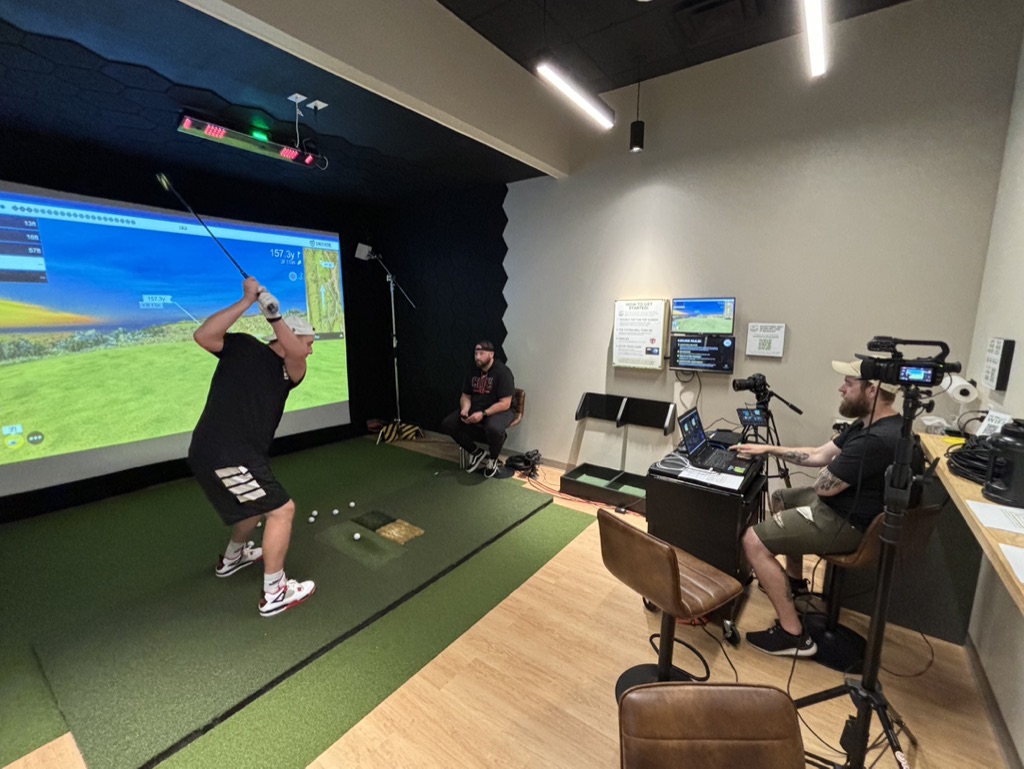 Live events have a unique ability to bring a brand to life. Whether you are planning a product launch, customer event, conference, employee gathering, community event, or hybrid experience, you have an opportunity to create something people don’t simply watch. They experience it.
But live events also leave very little room for error. A confusing check-in process, presentation that runs long, missed lighting cue, unreliable livestream, or speaker who isn’t prepared can quickly become part of the attendee experience.
The best defense against those problems is pre-production.
Download our live event pre-production checklist here:
Brave Dog Live Event Pre-Production Checklist
What Is Live Event Pre-Production?
Live event pre-production is the planning that happens before the event itself. It brings together the strategic, creative, logistical, and technical decisions required to turn an event idea into an executable plan.
That includes questions such as:
- What is the primary goal of the event?
- Who needs to attend?
- What should attendees remember afterward?
- What does the experience look and feel like?
- Who is speaking, and what are they saying?
- How will the program flow?
- What AV, staging, lighting, and streaming support is required?
- What happens if something doesn’t go according to plan?
- How will success be measured after the event?
When these decisions are made early, the event team can focus on execution instead of troubleshooting.
Why Live Events Go Off Track
Most event problems don’t begin when the doors open. They begin much earlier. A team may start planning with a date, venue, and general concept but leave important decisions unresolved until production is already underway.
Common warning signs include:
- No clearly defined event goal
- Too many competing messages
- An agenda that keeps changing
- Speakers who receive materials too late
- Unclear staff and vendor responsibilities
- AV requirements that haven’t been tested
- Missing backup plans
- No full rehearsal
- Last-minute signage, registration, or accessibility issues
- No clear plan for attendee follow-up
Individually, these may seem manageable. Together, they create the kind of event-day chaos that marketing teams want to avoid.
A structured pre-production process gets those decisions out of people’s heads, email threads, and scattered documents and puts them into one coordinated plan.
Why a Live Event Pre-Production Checklist Matters
Live events involve a lot of moving pieces, and many of those pieces depend on one another.
A speaker change can affect the run of show. A floor plan can affect AV requirements. A new presentation can change technical needs. A livestream can introduce additional connectivity, audio, lighting, and recording considerations.
That’s why a checklist isn’t simply a way to remember tasks. It creates a repeatable planning process.
A strong event pre-production checklist can help teams:
- Get stakeholder decisions made earlier
- Clarify ownership and responsibilities
- Keep speakers, vendors, and production teams aligned
- Identify technical requirements before event day
- Build contingency plans
- Reduce last-minute surprises
- Create a more polished attendee experience
Most importantly, it gives everyone a shared definition of “ready.”
The 8 Areas Every Live Event Team Should Plan
Brave Dog’s Live Event Pre-Production Checklist organizes planning into the areas that have the greatest impact on event readiness.
1. Strategy & Goals
Before working out the details, define why the event exists. These decisions become the filter for everything that follows.
2. Creative Direction
An event should feel like one cohesive experience rather than a collection of unrelated presentations. Strong creative direction helps make the event memorable while keeping it connected to the larger brand.
3. Program & Run of Show
The run of show is the operational backbone of a live event. A well-planned program creates rhythm. It also gives production teams the information they need to coordinate sound, lighting, video, presentations, staging, and transitions.
4. Speakers & Talent
Even experienced presenters benefit from preparation. It’s also worth answering an important question: What happens if a speaker can’t make it? A backup plan is much easier to create before it is needed.
5. Venue & Logistics
Attendees experience an event long before the first speaker takes the stage. Finalize the venue and floor plan early enough so that details can be coordinated rather than handled separately at the last minute.
6. Technical Setup
AV is one of the areas where assumptions can become expensive problems. A pre-event walkthrough with the AV team is particularly valuable because it allows technical decisions to be made in the actual environment rather than on paper.
7. Legal & Compliance
Contracts and compliance details may not be the most visible part of an event, but overlooking them can create unnecessary risk.
8. Production Readiness
The day before the event, confirm the individual arrangements and make sure necessary legal documents and permits are accessible.
Don’t Forget What Happens After the Event
A successful event doesn’t necessarily end when the room clears. For marketing teams, some of the greatest value may come afterward.
Event footage can become social content. Speaker sessions can be repurposed. Attendee feedback can inform future campaigns. Leads can enter follow-up sequences. Photos and video can extend the event’s visibility well beyond the people who attended.
That’s why post-event follow-up and measurement belong in the pre-production plan. Before the event begins, know what you want to learn, measure, capture, and do next.
How Brave Dog Helps Take Live Events From Idea to Experience
Brave Dog works with marketing teams that need more than someone to show up with cameras and equipment. We help bring the strategy, creative thinking, and production planning together so the event works as one cohesive experience.
Depending on the event, that can include:
- Event strategy and creative development
- Pre-production planning
- Run of show development
- Speaker and presentation coordination
- Live event video production
- AV and production coordination
- Livestreaming and recording
- Event content capture
- Post-event video and content development
The objective is simple: make the experience easier for your team while creating something worthwhile for your audience.
Download the Free Live Event Pre-Production Checklist
Brave Dog’s Live Event Pre-Production Checklist gives marketing and event teams a practical framework for coordinating strategy, creative direction, programming, speakers, logistics, technical requirements, compliance, and final event readiness.
Use it when planning your next conference, launch, customer event, employee event, or other live experience to make sure the important details don’t get lost in the rush toward event day.
Download the checklist here:
Brave Dog Live Event Pre-Production Checklist
If you’re planning a live event and want a creative production partner who can help turn the plan into an experience, contact Brave Dog. We’d love to help you create an event that runs smoothly, looks polished, and gives your audience something worth remembering.
 Five Great Reasons to Live Stream Graduation Ceremonies