
What Happens on Video Shoot Day?
A Behind-the-Scenes Guide
Shoot day is the stage most people picture when they think about video production. For many clients, it is also the most intimidating part of the process. Questions about cameras, performance, timing, and preparation can create unnecessary anxiety.
- Common frustrations marketers voice include:
- “What should we expect during filming?”
- “Do we need to prepare our team?”
- “How long does filming take?”
This guide explains what happens during production day and how a strong video team keeps the process efficient and low-stress.
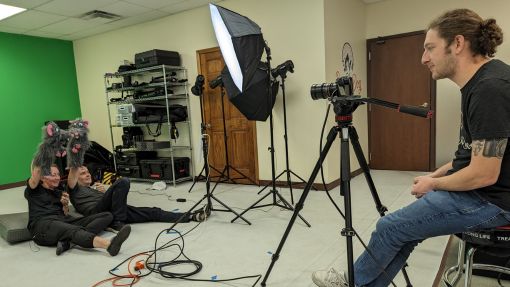
1. Setting Up the Production Environment
Before filming begins, the crew prepares the space.
Typical setup includes:
- Camera placement
- Lighting setup
- Audio testing
- Background adjustments
- Equipment calibration
This setup ensures professional image and sound quality. Depending on complexity, setup can take 30 minutes to several hours.
Key Point: Great production quality begins with preparation before filming starts.
2. Working With On-Camera Talent
Most clients are not professional actors. A good production team helps people feel relaxed and confident.
This often includes:
- Coaching posture and eye lines
- Guiding delivery
- Simplifying talking points
- Creating a calm environment
Comfort matters because authentic delivery performs better than over-rehearsed performance.
Key Point: The best videos feel natural, not scripted.
3. Capturing Interviews and Core Content
Primary content is usually captured first.
This may include:
- Interviews
- Product demos
- Presenter segments
- Voiceover capture
This footage forms the foundation of the final video. Multiple takes are normal and expected.
Key Point: Multiple takes improve options during editing.
4. Capturing B-Roll
B-roll includes supplemental footage that supports the story visually.
Examples include:
- Team interactions
- Product usage
- Office environments
- Customer interactions
- Process footage
B-roll adds visual energy and supports transitions. Without enough B-roll, editing becomes more limited.
Key Point: B-roll often makes the difference between a good video and a great one.
5. Client Example: A Smooth Production Day
The Challenge
A client is worried their team would feel uncomfortable on camera.
Strategic Insight
The biggest barrier is confidence, not production complexity.
The Solution
Brave Dog created a relaxed environment and guided each participant through simple prompts.
The Results
- Strong on-camera confidence
- Natural performances
- Efficient filming schedule
- High-quality footage captured
Key Point: Good direction helps people perform at their best.
Production Day Should Feel Collaborative
Filming should not feel stressful or chaotic. With strong preparation and experienced direction, production day becomes an efficient and collaborative experience.
Brave Dog helps clients feel prepared, confident, and comfortable throughout every shoot. Contact us to discuss your project.